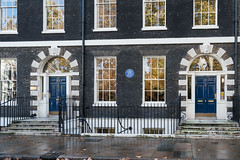
What did Neville Chamberlain do at 37 Eaton Square?
Eaton Square Standing before this elegant townhouse in one of Westminster's most prestigious addresses, you're looking at the domestic anchor of Neville Chamberlain's most formative political years—the twelve-year period from 1923 to 1935 when he established himself as one of Britain's most influential Cabinet ministers. Within these walls, Chamberlain lived through his transformation from Birmingham industrialist to Chancellor of the Exchequer under Stanley Baldwin, hosting the political conversations and private deliberations that shaped his conservative economic philosophy and his cautious approach to international affairs.
It was from this Belgravia residence that he navigated the treacherous waters of the 1920s and early 1930s, managing the aftermath of the General Strike, wrestling with budgetary crises, and developing the pragmatic, business-minded outlook that would later define his premiership. Though his decisions made at 37 Eaton Square were often sound, this address ultimately represents the crucible where Chamberlain's beliefs were forged—beliefs that would, within just five years of leaving this house, lead him to pursue the controversial policy of appeasement that would dominate his later legacy.
Discover more stories across London
Collect 1,625+ Blue Plaques with the Legacy app