What did Chris Squire do at 20 Warwick Street?
Warwick Street, Soho Standing before this modest Soho townhouse, you're positioned at the very birthplace of one of rock music's most innovative voices. It was here, in the heart of London's music quarter during the late 1960s, that the young Chris Squire began the musical odyssey that would make him Yes's legendary bassist and one of progressive rock's most influential musicians—his thunderous, inventive bass lines becoming as central to the band's sound as any lead instrument.
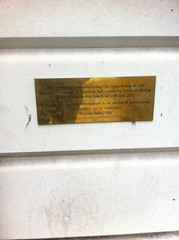
In these Soho rooms, amid the district's thrumming creative energy, Squire absorbed the avant-garde spirit that would define his entire career, developing the technical mastery and artistic ambition that set him apart from his contemporaries. When you glance up at this plaque on Warwick Street, you're acknowledging not just a home address, but ground zero for a musical revolution—the place where a curious young musician first plugged in his bass and discovered he had something world-changing to say.
Discover more stories across London
Collect 1,625+ Blue Plaques with the Legacy app